Turboprop vs. Jet Aircraft: What’s the Right Choice for Your Next Charter?
Wednesday, April 9, 2025Dylan AndersonIf you're booking a private flight — whether it’s a business trip, or a weekend family vacation — one of the first decisions you'll make is whether to fly in a turboprop or a private jet. And for many travelers, the differences aren’t always clear at first glance.
At Just Landed Jets, matching clients with the right aircraft is part of what we do best. For us, it's not just about speed or status. It's about aligning the aircraft with the mission—your route, your group, your expectations, and your preferences. Turboprops and jets both bring serious advantages to the table, and knowing when to use each can lead to a more comfortable, cost-effective, and seamless charter experience.
What Is a Turboprop? What Is a Jet?
The distinction is mechanical, but it affects nearly every part of the flight experience. A turboprop uses a propeller powered by a turbine engine. It’s built for lower speeds, lower altitudes, and shorter runways. A jet, by contrast, uses jet propulsion—typically flying higher, faster, and farther than its turboprop counterpart.
But the conversation shouldn’t stop there. Too often, turboprops are mistakenly seen as outdated or basic. In reality, modern turboprops like the Pilatus PC-12 and King Air 350 offer refined, quiet cabins with luxury interiors and strong performance on shorter routes. Jets come in a wide range of sizes and capabilities as well—from sleek Very Light Jets to spacious Heavy Jets built for long-haul travel. Choosing between the two isn’t about better or worse. It’s about what fits your specific trip
Turboprops
Turboprops are a go-to solution for regional travel. They comfortably seat four to eight passengers and are known for their efficiency, both in fuel consumption and in accessing runways that are too short or remote for most jets. While they fly at lower altitudes and slower speeds than jets, they excel at point-to-point convenience—especially for quick hops or destinations outside major metro areas. The Pilatus PC-12 and King Air 350 are excellent examples: quiet, well-appointed, and perfect for both business and leisure charters where flexibility and value matter most.
Very Light Jets
Very Light Jets, often referred to as VLJs, are small but efficient aircraft designed for two to four passengers. With a typical range under 1,000 miles, they’re best suited for short trips and quick business or personal travel. Aircraft like the Eclipse 500 and HondaJet deliver the full jet experience—speed, privacy, and style—without the operating costs of larger models. They’re a favorite for solo travelers, couples, or executives hopping between cities on tight schedules.
Light Jets
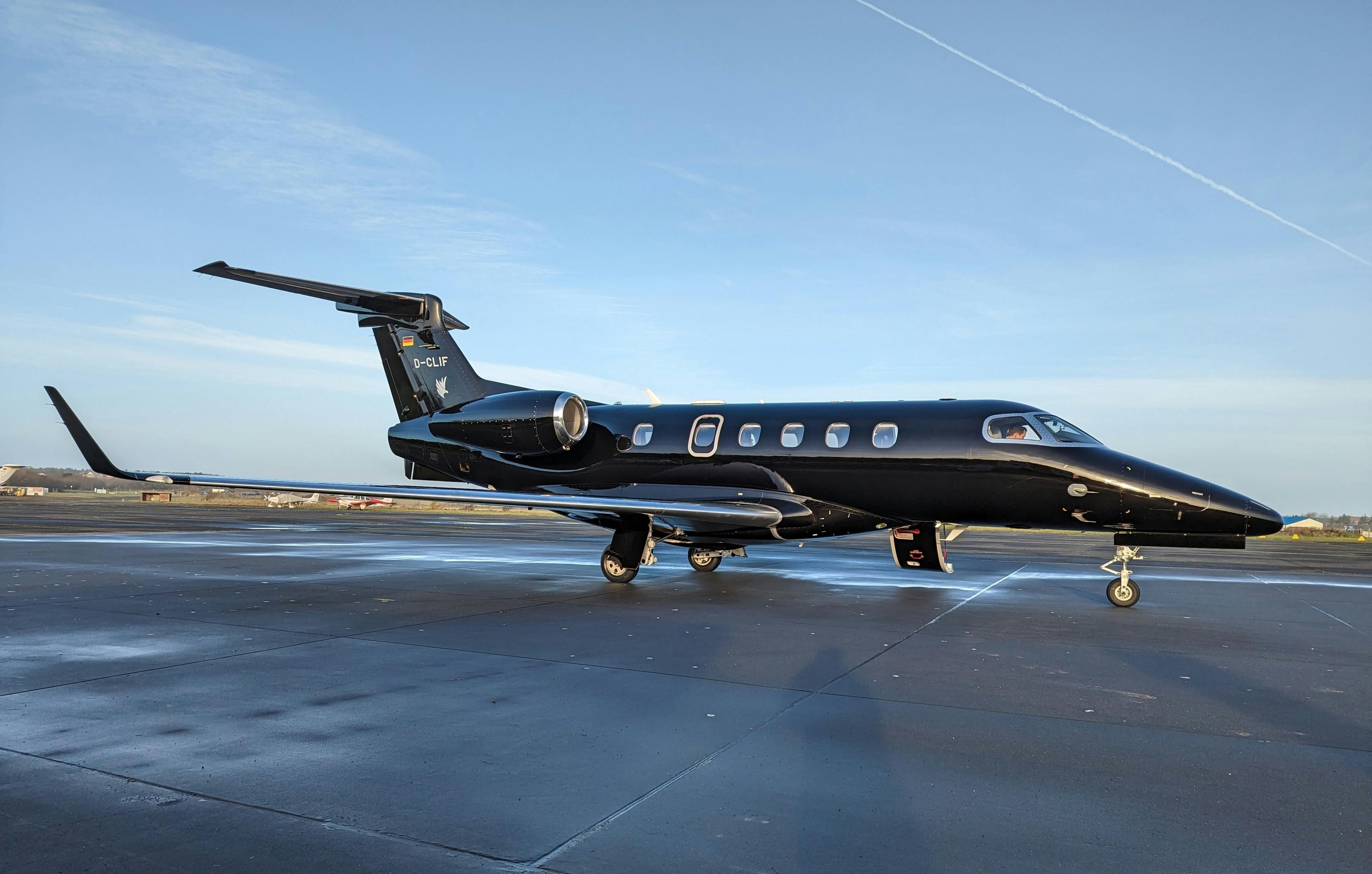
For slightly larger groups or longer regional trips, Light Jets strike a great balance. With seating for four to six passengers and a range suitable for flights under three hours, they’re perfect for popular charter routes like Los Angeles to Aspen or New York to Palm Beach. These jets, including the Phenom 300 and Citation CJ3, often come equipped with enclosed lavatories, stylish cabins, and fast cruise speeds—making them one of the most requested categories for both business and leisure travel.
Midsize Jets
Midsize Jets offer a step up in both comfort and capability. With room for six to eight passengers and the ability to fly coast-to-coast without refueling, they’re a favorite for longer domestic travel. These jets typically have full standing-room cabins, enhanced baggage capacity, and a quieter inflight experience, which is ideal for family jet charter or onboard work sessions. Common options include the Learjet 60, Hawker 800XP, and Citation XLS+, all known for their versatility and reliability.
Super Midsize Jets
Super Midsize Jets bring extended range, high speed, and an elevated onboard experience for eight to ten passengers. They’re designed for longer domestic trips and short international routes, often equipped with Wi-Fi, full galleys, and enhanced seating configurations. Aircraft like the Challenger 350, Gulfstream G200, and Citation Sovereign are excellent options for those who want a larger cabin without stepping up to the heavy jet class. This category is especially popular for high-end group charter flights or longer business travel where nonstop performance and elevated service are priorities.
Heavy Jets
Heavy Jets are built for maximum comfort and capacity. These aircraft accommodate ten to sixteen passengers and are ideal for long-haul or transcontinental travel. With features like lie-flat seating, full-service galleys, multiple lavatories, and exceptional baggage space, they provide a true luxury experience. Heavy jets such as the Gulfstream GIV, Falcon 900, and Challenger 650 are frequently selected for executive group travel, VIP events, and extended family vacations where space and service are non-negotiable.
Speed and Range
One of the clearest distinctions between turboprops and jets is speed. Most jets cruise between 400 and 500 miles per hour, while turboprops generally cruise in the 300–350 mph range. Jets also climb higher — often cruising above commercial air traffic and most weather systems—leading to smoother rides and quicker routes. For longer trips, this speed advantage can significantly reduce total travel time. However, for flights under 500 miles, turboprops often keep pace when you factor in shorter ground transfers and easier airport access.
Efficiency and Cost
Turboprops have a strong edge in cost efficiency. Their engines consume less fuel and their operating costs are significantly lower — often by 30 to 50 percent—making them a smart choice for shorter routes or budget-conscious charters. For regional business flights or family day trips, they deliver serious value without sacrificing quality. Jets, particularly light and midsize models, still offer competitive value when speed, distance, or onboard amenities are a priority. It’s not about one being cheaper or better — it’s about aligning cost with your mission.
Cabin Experience
Jets generally offer more spacious and quieter cabins, especially in the midsize and heavy jet categories. They tend to climb faster, ride smoother, and feature more luxurious interiors. That said, newer turboprops have significantly narrowed the gap. The Pilatus PC-12, for example, is known for its upscale interior, impressive quietness, and cabin finish that rivals many jets. For short flights, the difference in experience can be minimal. It really comes down to personal preference and the level of service delivered on board—which is where Just Landed Jets raises the bar regardless of aircraft type.
Airport Access and Flexibility
Turboprops truly shine when it comes to flexibility. Their ability to land on shorter runways and access small regional airports makes them ideal for reaching off-the-grid locations, private estates, or destinations that are inconvenient to reach commercially. Jets offer excellent access as well, but are slightly more limited in the types of runways they can handle. If your travel involves remote properties, ski destinations, or boutique resorts, a turboprop might actually get you closer, faster.
Turboprop vs. Jet Engine: Key Differences at a Glance
The engine is the key difference between the two aircraft types. Turboprop engines are fuel-efficient and great for short-haul journeys, while traditional jet engines are better for longer distances and higher speeds. When comparing the differences, it's best to consider where you're flying to and from, as well as the distance be
- Speed: Turboprop = 300-350 mph | Jet Engine: 400-500 mph
- Distance: Turboprop = Less than 500 miles | Jet Engine: 500+ miles
- Passenger Capacity: Turboprop = 4-8 passengers | Jet Engine: 4-16 passengers
- Cabin Experience: Turbo prop = Comfortable for short-haul journeys. Slightly more cabin noise, though modern models are much quieter. | Jet Engine = Quiet cabin experience, typically roomier and more comfortable.
Is a Turboprop or Jet Better for Short Flights?
If you’re planning a quick trip for a business meeting or weekend getaway, you may be wondering: is a turboprop or jet engine better for short flights? If your trip is under 500 miles, a turboprop may be the better option. Turboprops are more fuel-efficient and can even land on shorter runways at smaller or rural airports. Most can also comfortably fit between four and nine passengers for a single flight. However, if you’re flying to a different city or state, a small jet might be a better solution.
If you need help deciding which aircraft is best, Just Landed Jets is here to help. We offer personalized recommendations based on your specific itinerary. Contact us today for a complimentary quote for your next private flight.
Choosing the Right Aircraft
Ultimately, the best aircraft for your charter depends on your route, your group, and what matters most to you — time, comfort, access, or cost. For a solo executive flying from Dallas to Houston, a turboprop might be the smart move. A family of five heading from New York to Miami? A light or midsize jet fits the bill. If you're organizing a high-end group charter or flying a team across the country, a super midsize or heavy jet offers the space and service level you’re looking for.
And if you’re not sure? That’s where we come in.
Ready to Choose the Right Aircraft for Your Next Charter?
Whether you're planning a regional hop in a turboprop or a cross-country escape in a midsize jet, Just Landed Jets will match you with the ideal aircraft for your mission.
Our team handles every detail — from aircraft selection and routing to ground transportation and onboard catering. You tell us where you’re going and who’s coming — we’ll take care of the rest. No guesswork. No delays. Just seamless, private travel tailored entirely to you.
Contact us today to speak with your dedicated charter concierge, or request a quote and receive personalized options within two hours.
Let’s get your next flight on the runway.
Read More Latest Updates
Stay informed about private aviation trends, industry news, and travel insights.
Do Private Planes Go Through Customs?
Wondering if private planes go through customs? Learn how private jet passengers clear customs quickly, often right at the FBO, with Just Landed Jets.
Read MoreWhy a Private Jet is the Best Way to Fly with Pets
Fly private with your pet. Just Landed Jets offers pet-friendly private jet charters, eliminating airline restrictions and ensuring an excellent experience flying with pets.
Read MoreWhy Is It Easier to Fly Private With Your Pet?
How does flying private affect your pet? Get vet-backed tips on cabin comfort, calming anxious pets, and prepping your dog or cat for a private jet flight.
Read More