

Turboprops
Private Turboprop Charter for Short Runways, Regional Hops, and Value.
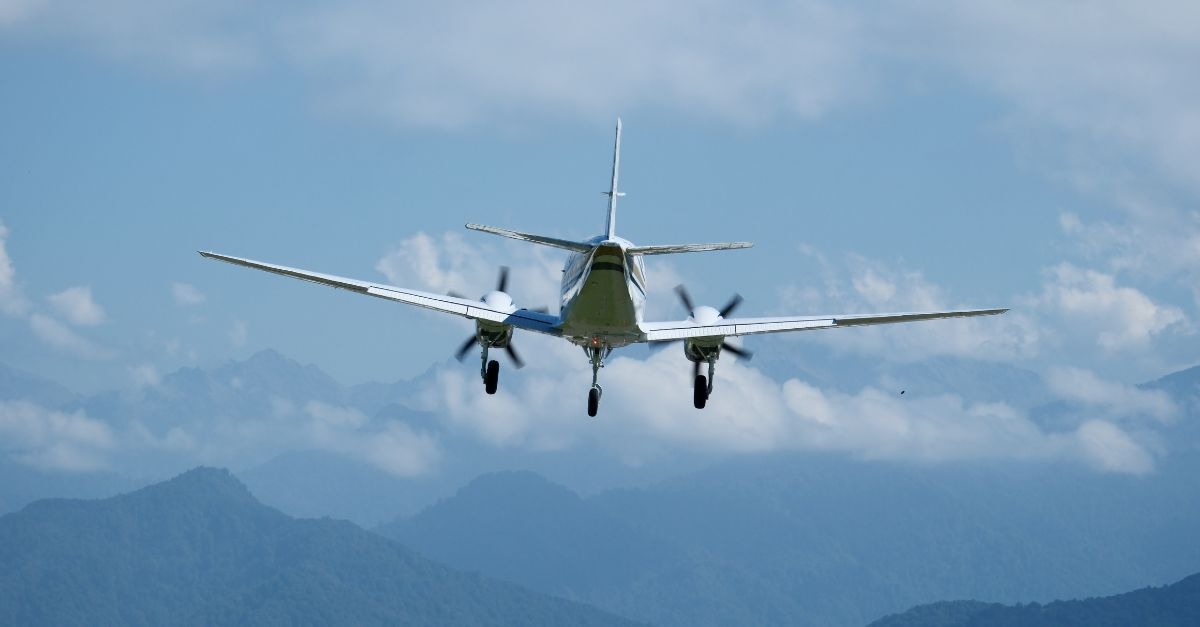
Explore TurbopropsTurboprops are powered by turbine engines that drive propellers. They're built for efficiency and access, not headlines. With a private turboprop charter, you can use smaller airports closer to your Destination, board quickly, and keep the day on your schedule.
Avg. Passengers
6-9 passengers
Avg. Range
800-1,800 nm range
Avg. Luggage Capacity
40-90 ft³ luggage capacity
Available Turboprops
99 Airliner
The Beechcraft 99 Airliner is a light twin-engine turboprop aircraft known for its reliability and efficiency, ideal for regional passenger and cargo transport.
Manufacturer: Beechcraft
Passengers: 17
Max Speed: 308 mph
Altitude: 26200 ft
Aero Commander 690
The Aero Commander 690 is a light twin-turboprop aircraft known for its versatility and rugged performance, ideal for regional transport and utility missions
Manufacturer: Aero Commander
Passengers: 9
Max Speed: 328 mph
Altitude: 25000 ft
An-28
The Antonov An-28 is a twin-engine turboprop airliner known for its ruggedness and short takeoff and landing capabilities, ideal for regional and remote operations.
Manufacturer: Antonov
Passengers: 19
Max Speed: 219 mph
Altitude: 20000 ft
An-38
The Antonov An-38 is a twin-engine turboprop regional airliner designed for short-haul routes, offering versatility and reliability for passenger and cargo transport.
Manufacturer: Antonov
Passengers: 27
Max Speed: 252 mph
Altitude: 27000 ft
ATR 72-200
The ATR 72-200 is a twin-engine turboprop airliner known for its efficiency and reliability, ideal for short to medium-haul regional flights.
Manufacturer: ATR
Passengers: 72
Max Speed: 320 mph
Altitude: 25000 ft
BAe ATP
The BAe ATP is a regional turboprop airliner designed for short to medium-haul flights, known for its fuel efficiency and passenger comfort.
Manufacturer: British
Passengers: 72
Max Speed: 308 mph
Altitude: 25000 ft
Quick Facts for your Turboprop flight
- Best for: Turboprops are ideal for four to eight travelers who need short-runway access and regional efficiency.
- Range: Nonstop reach is approximately 900 to 2,100 miles. Boston to Charlotte is about 720 miles and is a typical regional mission.
- Luggage: Plan on six to eight roller bags, golf clubs, and a few soft duffels. Soft-sided luggage packs best, and capacity varies by aircraft.
- Cabin: Most cabin-class turboprops are pressurized and comfortable for business or leisure.
- Seating and layout: A four-seat club with additional forward-facing seats is common.
- Speed: Typical cruise speed is 280 to 330 mph. Dallas to Houston is about one hour, and Seattle to Spokane about one hour.
- Quick recommendation: Choose a turboprop when short fields and close-in airports save time. Step up to a light jet when top-end cruise speed on longer legs matters most.
Is a Turboprop Right for My Trip?
Choose a turboprop when you're flying a small group on short to medium routes. If your plan includes short runways, island strips, or smaller towns, turboprops shine. They climb quickly, cruise efficiently, and turn fast on the ramp. If you need higher cruise speeds or longer nonstop legs, consider a light jet. For very short hops with minimal baggage, a piston aircraft can be even more budget-friendly. When there's no runway at all, a helicopter is the right tool. We'll help you match the aircraft to the mission.
Private Turboprop Charter: When Turboprops Make the Most Sense
Book turboprops for city-to-city business calls, plant or site visits, and multi-stop days. You'll skip hubs and drive times, landing closer to where you actually need to be. Leisure travelers benefit too. Turboprops link major airports to ski resorts, lakes, vineyards, and coastal towns in a single lift. Short taxi times and simple boarding make the day feel easy.
Best Missions for Turboprops: Short Fields, Regional Routes & Multi-Stop Itineraries
Short-field performance is a core strength. Many turboprops can use runways that are off-limits to most jets, opening convenient airfields near business districts and resorts. They're also ideal for two- or three-stop days. You can meet in the morning, tour a site after lunch, and still get home for dinner. The airplane waits for you, not the other way around.
How Much Luggage Can You Bring on a Charter Turboprop?
Plan for soft-sided bags and a few hard cases. Most turboprops handle roller bags, golf clubs, skis, and strollers—though door sizes and compartments vary by model. Tell us early about odd-shaped items or camera gear so we can confirm fit. Weight and balance matter more from short runways or on hot days. We'll plan passengers, fuel, and bags carefully. If needed, we'll add a quick fuel stop or recommend a slightly larger aircraft.
Airports, Runway Access & Logistics for Turboprops
Turboprops unlock smaller, quieter airports with shorter runways. That usually means shorter drives, easier parking, and faster turns. You'll use private terminals, step out of the car, and board in minutes. We'll select the best airfields for performance, weather, and ground access, then coordinate FBO services, catering, and transportation. The result is a smooth, predictable day—even when plans change.
Ready to Charter a Turboprop? Book With Just Landed Jets
Share your cities, dates, passenger count, and baggage list. We'll recommend the right aircraft and compare turboprop charter options with clear schedules and pricing. Just Landed Jets is built on trust and experience. From private turboprop charter to light jets when speed matters most, we manage every detail—permits, Safety checks, catering, and ground logistics—so you can focus on the trip. Ready to fly? Contact Just Landed Jets to plan your turboprop charter today.